The Role of API Integration in Streamlining Hospitality Booking Systems
As the hospitality industry evolves, integrating APIs into booking systems has become crucial. Discover the benefits of this technology and how it can streamline operations and boost guest satisfaction.
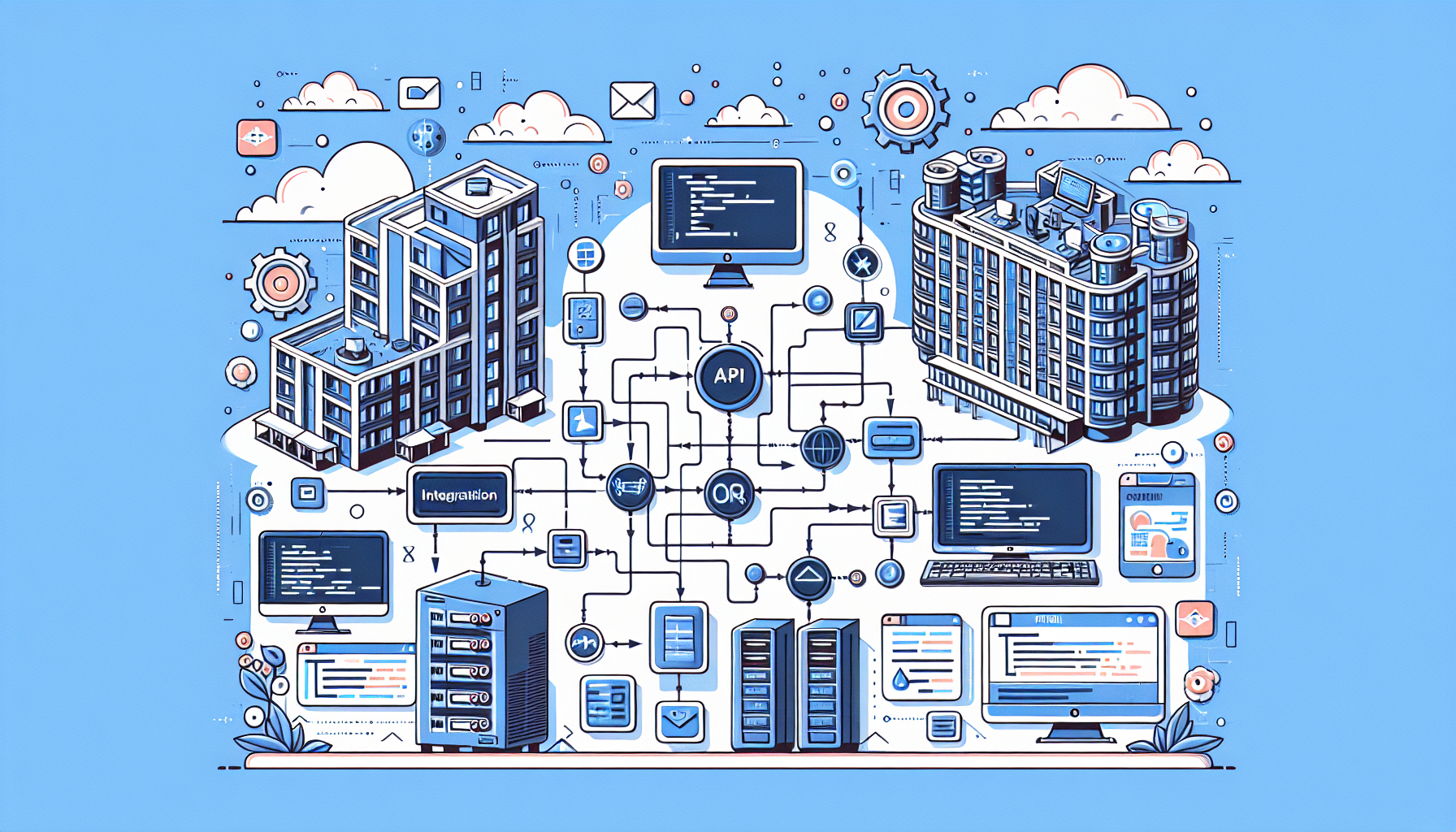
The Growing Importance of API Integration in Hospitality
In the fast-paced world of hospitality, efficient booking systems are paramount for success. With the increasing demand for seamless processes and enhanced guest experiences, the integration of Application Programming Interfaces (APIs) is transforming the landscape. APIs enable different software applications to communicate, allowing hospitality businesses to connect various services and streamline their operations.
Current Trends in API Integration
According to recent industry reports, the global API management market is expected to reach $12.1 billion by 2025, growing at a CAGR of 32.4%. As businesses in the hospitality sector adopt API-driven services, they are discovering numerous advantages that improve both operational efficiency and guest satisfaction.
Connecting Systems for Seamless Operations
One of the key benefits of API integration is the ability to connect different systems. For example, connecting property management systems (PMS) with booking engines through APIs allows for real-time updates on room availability, pricing, and reservations. This integration not only reduces manual errors but also enhances the overall guest experience.
Enhancing Data Analytics
APIs can also facilitate data sharing between systems, enabling hospitality businesses to gather insights on customer behavior, booking patterns, and more. By harnessing data analytics, hotels can make informed decisions that drive revenue. For instance, properties that leverage data-driven insights to optimize pricing strategies see an average revenue increase of 5-10%.
Practical Tips for Implementing API Integration
For hospitality businesses looking to implement API integration, here are some practical tips:
- 1. Assess Your Current Systems: Evaluate your existing technology stack to identify which systems can benefit from API integration.
- 2. Choose the Right APIs: Research and select APIs that align with your business needs, whether for booking, payment processing, or data analytics.
- 3. Prioritize Security: Ensure that any API used adheres to industry security standards to protect sensitive guest information.
- 4. Test and Optimize: Implement a testing phase to identify any integration issues and continuously optimize the system for better performance.
Challenges and Solutions in API Integration
While API integration offers many benefits, there are challenges to consider:
- Data Compatibility: Different systems might use varying data formats, making integration complex. Standardizing data formats can help mitigate this issue.
- API Management: Managing multiple APIs can be resource-intensive. Utilizing API management tools can streamline this process.
Industry Insights on API Integration
"The future of hospitality hinges on the ability to integrate various technologies seamlessly. APIs are a critical component in achieving this integration, allowing businesses to enhance guest experiences while optimizing operational efficiencies." - Industry Expert
Conclusion: The Future of API Integration in Hospitality
As the hospitality industry continues to embrace digital transformation, API integration will play a pivotal role in shaping the future of booking systems. By streamlining operations and enhancing guest experiences, APIs are not just a technological necessity but a strategic advantage. Now is the time for hospitality businesses to invest in API-driven solutions to remain competitive in an increasingly digital landscape.
At Teravels, we understand the importance of these integrations. Our platform offers robust API solutions to help hospitality businesses thrive in today's digital economy. Reach out to us to learn how we can assist you in your API integration journey.
Share this article