Innovating Guest Engagement: The Future of Online Booking Systems
As the hospitality industry evolves, engaging guests through online booking systems has become paramount. This blog explores current trends, strategies for improvement, and insights into guest expectations.
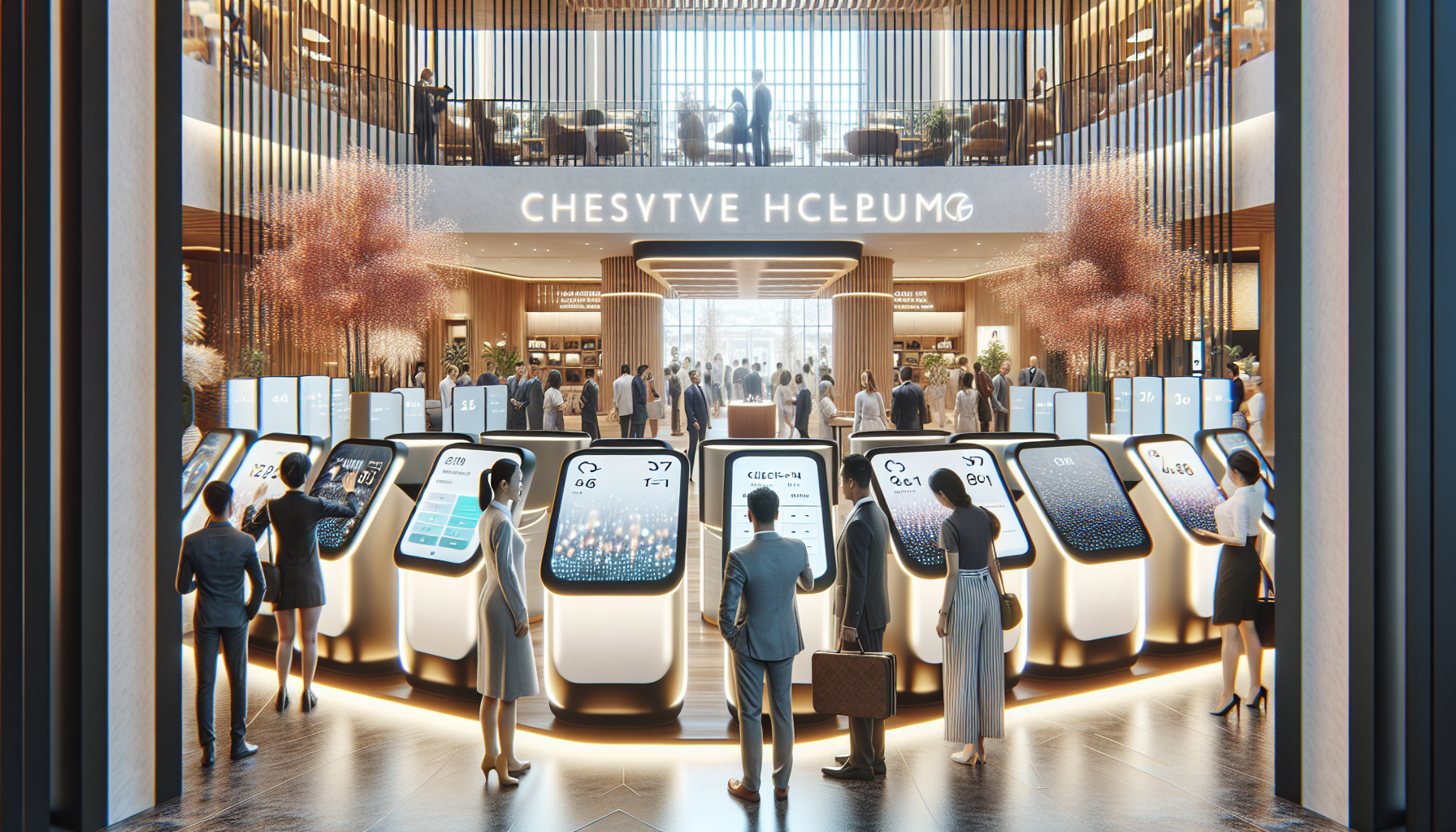
The Importance of Guest Engagement in Online Booking Systems
In an era where consumer expectations are at an all-time high, enhancing guest engagement through online booking systems is no longer optional; it's essential. With the global online travel booking market projected to reach $1,091 billion by 2026, hospitality providers must leverage technology to create seamless and engaging user experiences.
Current Trends Shaping Guest Engagement
1. Seamless Omnichannel Experiences
More than 70% of travelers expect a seamless experience across all channels, whether booking on desktop or mobile. Our platform's integration capabilities facilitate this omnichannel approach, allowing users to transition smoothly between devices. By implementing technologies like Progressive Web Apps (PWAs), we ensure fast loading times and easy accessibility, resulting in higher conversion rates – averaging a 15% increase when optimized for mobile.
2. Personalization Beyond the Booking
Modern travelers are looking for more than just a room; they want personalized experiences. Data shows that hotels utilizing personalized marketing strategies can see a revenue increase of up to 20%. By integrating AI-driven insights into our booking engine, we help hospitality providers offer tailored recommendations based on user behavior and preferences.
3. Enhanced User Interfaces
The user interface (UI) of online booking systems plays a crucial role in guest engagement. A recent survey revealed that 38% of users will stop engaging with a website if the content or layout is unattractive. Our focus on intuitive UI design ensures that customers find what they need quickly and efficiently. Implementing A/B testing techniques can lead to a 30% improvement in user satisfaction and conversion rates.
Practical Tips for Improving Guest Engagement
1. Incorporate Customer Reviews
Incorporating customer reviews into your booking interface not only aids decision-making but also fosters trust. Statistics indicate that 84% of people trust online reviews as much as personal recommendations. By showcasing user-generated content, our platform helps hotels build credibility and enhance their online presence.
2. Utilize Chatbots for Real-Time Assistance
Implementing chatbots within your booking system provides users with instant answers to their queries. Research shows that businesses utilizing chatbots can improve customer engagement by 24/7 availability, leading to shorter booking times and reduced cart abandonment rates by up to 15%.
3. Offer Flexible Booking Options
Flexibility is key in modern travel planning. By offering features like free cancellations and flexible payment options, we drive increased confidence among travelers. This approach can yield a 10-15% boost in bookings, especially during uncertain times.
Industry Insights on the Future of Guest Engagement
“The future of hospitality lies in creating an emotional connection with guests through technology, ensuring they feel valued and understood throughout their journey.” – Industry Expert
Comparative Data: The Impact of Enhanced Engagement Strategies
| Engagement Strategy | Potential Revenue Increase (%) | User Satisfaction Increase (%) |
|---|---|---|
| Personalization | 20 | 30 |
| Omnichannel Experience | 15 | 25 |
| Real-Time Chat Support | 10 | 20 |
| Customer Reviews | 18 | 35 |
Conclusion: The Path Forward
As we navigate this digital transformation in the hospitality industry, it's crucial to prioritize guest engagement through innovative online booking systems. By adopting the strategies outlined above, hospitality providers can enhance their guest experience and drive revenue growth. At Teravels, we are committed to equipping our partners with the technology they need to thrive in this competitive landscape. Let’s embark on this journey together and redefine hospitality through technology.
Share this article