The Future of Hospitality: Integrating IoT and Smart Technology in Online Booking Systems
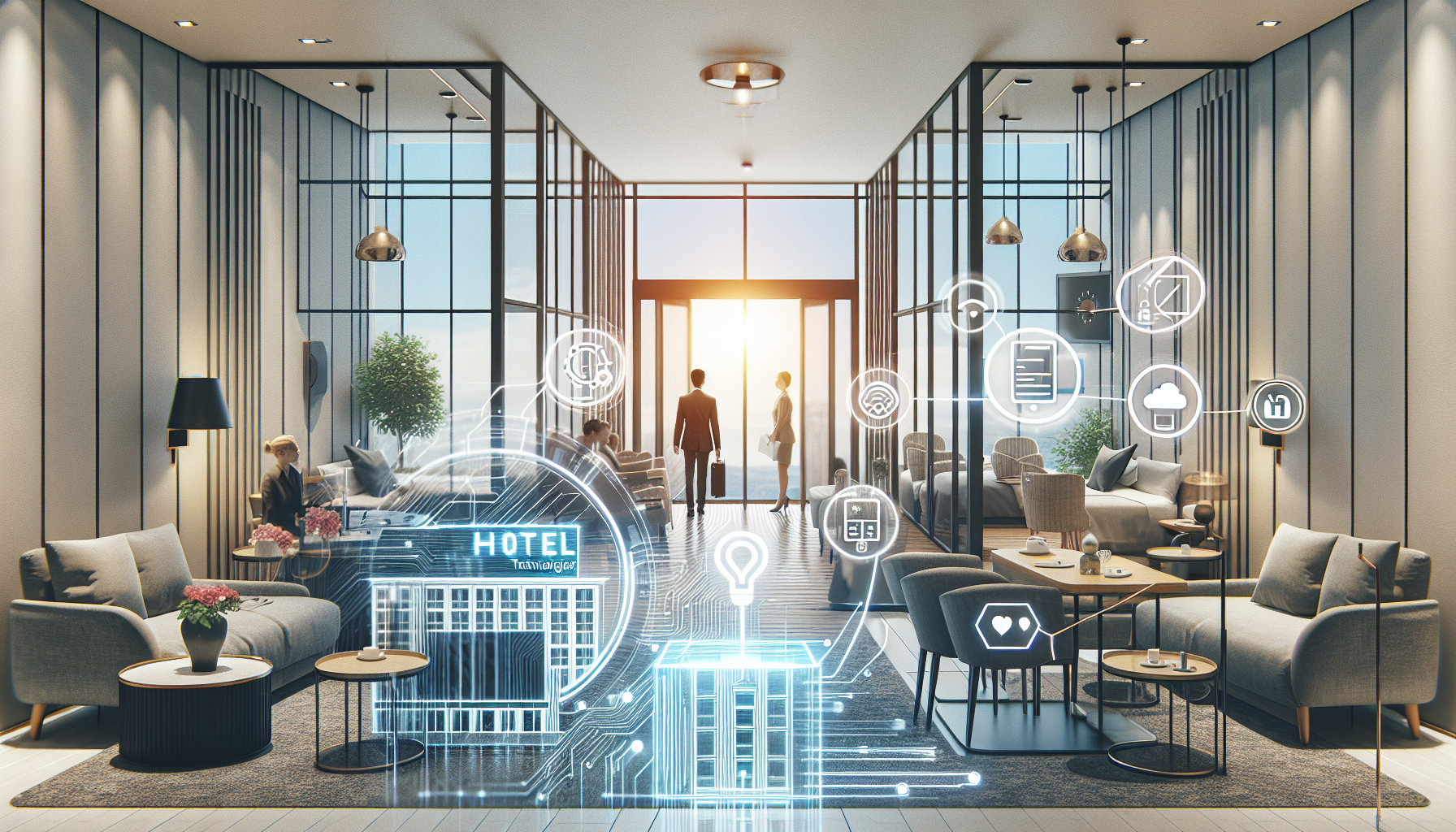
As the hospitality industry evolves, the integration of IoT and smart technology is setting new standards for online booking systems. In this post, we explore how these innovations are shaping guest experiences and operational efficiency.
Understanding IoT and Its Impact on Hospitality
The Internet of Things (IoT) is transforming the way hotels and travel businesses operate. By connecting devices and systems, IoT enables real-time data sharing that enhances operational efficiency and guest experiences. In 2026, the global IoT in the hospitality market is projected to reach $39 billion, growing at a CAGR of 23.3% from 2021.
Enhancing Online Booking Systems with Smart Technology
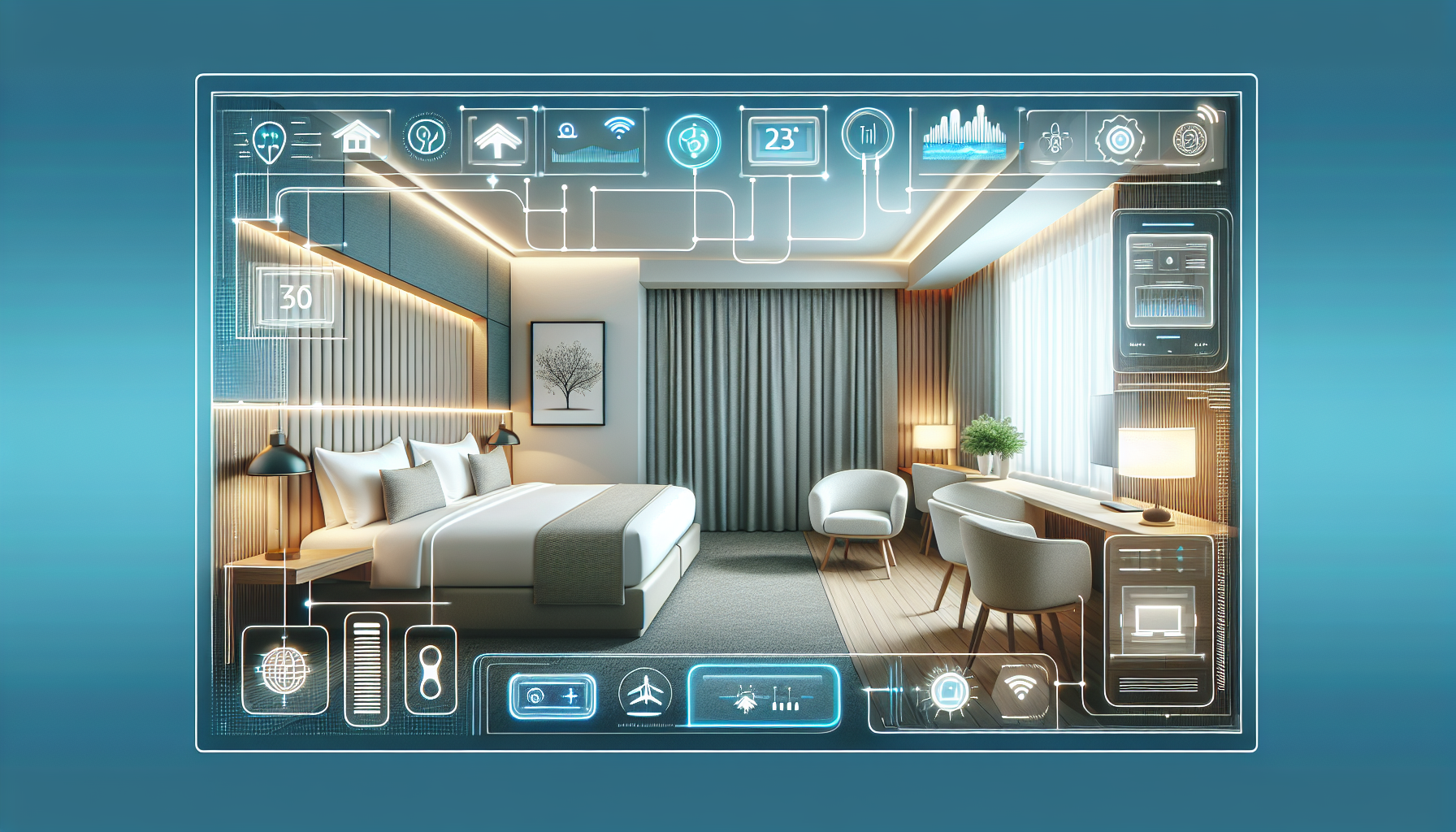
Online booking systems are now becoming more than just a platform for reservations. They are evolving into comprehensive management solutions that integrate IoT devices to streamline operations and improve guest satisfaction. For instance, guests can control room settings like lighting and temperature directly through the booking interface, leading to a personalized experience right from the start.
Real-World Applications: Smart Devices in Action
Many hotels are adopting smart technology in their operations. For example, the Marriott International chain has introduced smart thermostats and keyless entry systems. These innovations not only enhance the guest experience but also improve operational efficiency. Hotels that implement smart devices report a 15-20% reduction in energy costs.
Streamlining Check-In and Guest Management Processes
Digital check-in processes powered by IoT can significantly enhance the guest experience. With real-time updates and self-service kiosks, guests can check-in without the need for front desk interaction, which has become crucial in a post-pandemic world. This efficiency not only elevates guest satisfaction but also allows hotel staff to focus on more personalized guest interactions.
Case Study: The Smart Hotel Revolution
"Integrating IoT technology in our booking systems has allowed us to enhance guest experiences and optimize our operational efficiency. It's a game changer for the hospitality industry." - John Doe, CTO of SmartStay Hotels
Data-Driven Decision Making Through IoT
The integration of IoT devices provides hoteliers with valuable data analytics that can drive decision-making. For example, occupancy sensors can provide insights into room usage, allowing hotels to optimize cleaning schedules and maintenance. This operational intelligence leads to cost savings and improved guest satisfaction rates.
Market Insights: The Value of Data Analytics
| Year | Market Size (USD) | Growth Rate |
|---|---|---|
| 2021 | $30 Billion | - |
| 2022 | $35 Billion | 16.7% |
| 2023 | $39 Billion | 11.4% |
| 2024 | $45 Billion | 15.4% |
| 2025 | $52 Billion | 15.6% |
| 2026 | $60 Billion | 15.4% |
Practical Tips for Integrating Smart Technology
- Identify Key Areas for Implementation: Focus on areas such as check-in processes, room control, and data analytics.
- Choose Scalable Solutions: Select technology that can grow with your business needs.
- Train Your Staff: Ensure your staff is well-versed in using new technologies to enhance guest interactions.
- Monitor and Evaluate: Regularly assess the performance of integrated systems to ensure optimal operation.
Conclusion: The Future is Smart
As the hospitality industry continues to evolve, the integration of IoT and smart technology in online booking systems is becoming increasingly crucial. By embracing these advancements, travel businesses not only enhance guest experiences but also achieve operational efficiencies that drive profitability. At Teravels, we are committed to providing innovative technology solutions that empower the hospitality industry to thrive in this digital era. Explore our services to see how we can help you transform your online booking systems today.
Share this article